
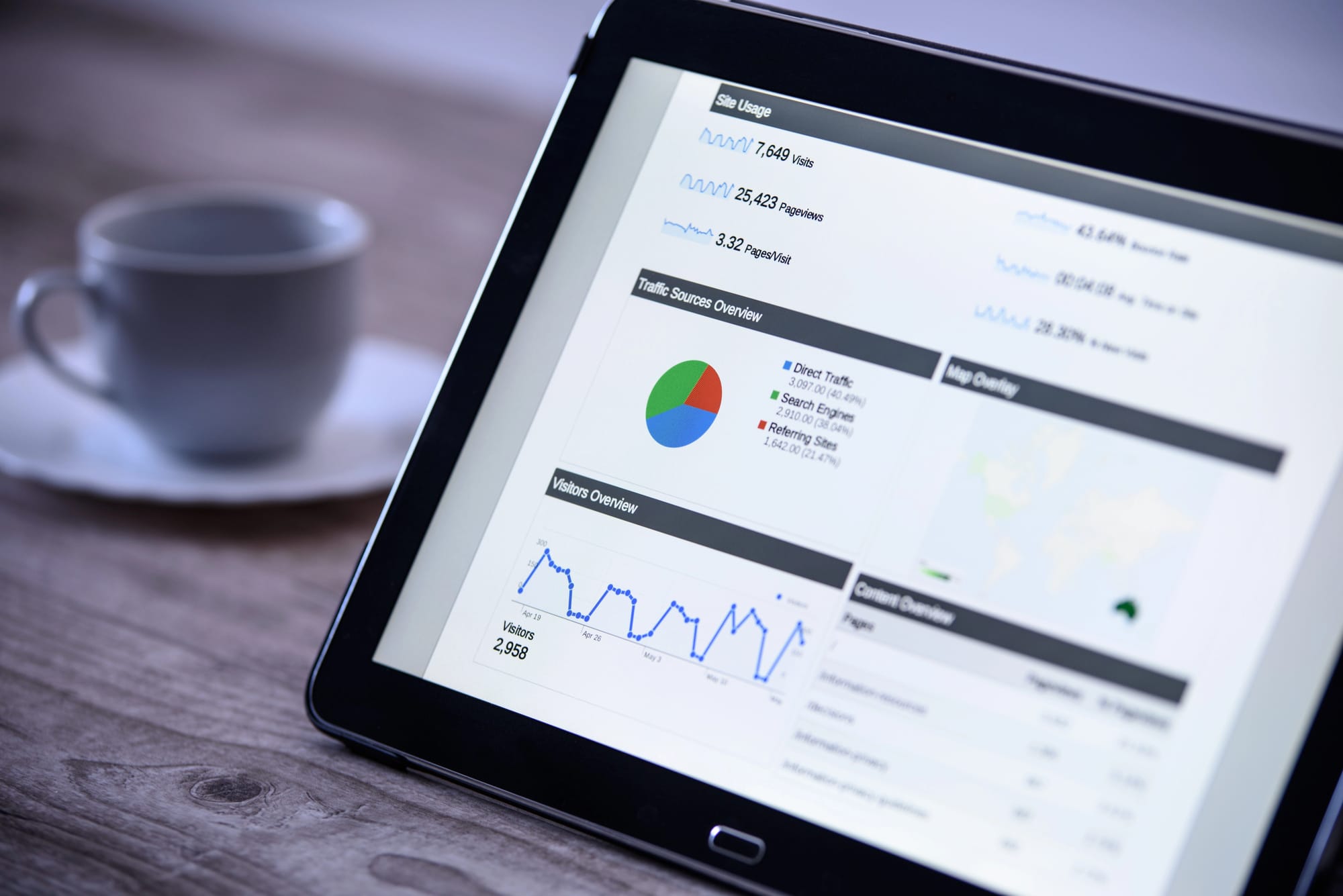
Website analytics can feel like a puzzle with too many pieces. Tools like Google Analytics or Fathom are powerful, but often overwhelming for business owners who aren’t data experts. If you’ve ever looked at your analytics dashboard and thought, “What does all this mean?”. Don’t worry, you’re not alone. The good news? Understanding website analytics is simpler than it seems. This post will walk you through the essential metrics you need to track, what they mean, and how to improve them to boost your business. Let’s dive in and make your analytics work for you!
Did You Know?
88% of online consumers are less likely to return to a website after a bad experience?
Website Traffic Sources
Where do your visitors come from? Your website traffic is the lifeblood of your online presence. It shows how many people visit your site and how they found you.
Why It Matters: Knowing if visitors come from search engines, social media, or paid ads helps you evaluate your marketing efforts.
Quick Win: If most visitors come from social media, consider doubling down on engaging posts and ads. Conversely, low organic traffic may signal the need for better SEO.
Top-Performing Pages
Do you know your star pages? Identify the pages with the highest traffic and conversions to understand what resonates with your audience.
Why It Matters: Your top pages reveal content that engages visitors and drives results. Replicating their success can multiply your impact.
Quick Win: Use tools like heatmaps to study how visitors interact with these pages. For example, if your top-performing page is a blog post on ‘How to Bake Sourdough Bread,’ it might make sense to create more content related to baking tips and recipes.
Pro Tip
Some great heatmap solutions include: Hotjar, Crazy Egg, and Microsoft Clarity.

Average Session Duration
Are visitors sticking around? Session duration measures how long visitors stay on your site during a single visit.
Why It Matters: Longer sessions often mean more engaging content. If your duration is short, visitors may not find what they need, or your site could be difficult to navigate.
Quick Win: Add engaging visuals, interactive elements, or concise, high-value content to retain visitors longer.
Bounce Rate
Are your visitors engaged? Bounce rates show the percentage of visitors who leave after viewing just one page.
Why It Matters: A high bounce rate could mean visitors aren’t finding value or that your site isn’t user-friendly.
Quick Win: Optimize your landing pages with clear calls to action, engaging headlines, and visually appealing designs to encourage deeper exploration.
Pro Tip
Aim for a bounce rate between 26% and 40% as this typically indicates good user engagement, while rates above 70% may suggest issues with content or user experience.
Conversion Rate
Are your visitors converting into customers? Your conversion rate reflects how many visitors take a desired action, like signing up for a newsletter or completing a purchase.
Why It Matters: This metric directly ties to your business goals. Higher conversions mean more leads or revenue.
Quick Win: Test different calls to action, simplify forms, and streamline the checkout process to boost conversions.
Page Load Time
Are your pages loading fast? Page load time is critical. Slow-loading pages can frustrate users and drive them away.
Why It Matters: Fast-loading sites provide better user experiences and improve your search engine rankings.
Quick Win: Compress images, minimize scripts, and use a reliable hosting provider to speed up your site.
New vs. Returning Visitors
Why It Matters: Striking the right balance indicates healthy growth and customer loyalty.
Quick Win: Attract new visitors with targeted ads and SEO while keeping existing ones engaged with loyalty programs, newsletters, or exclusive content.
Your Analytics Don’t Have to Be Intimidating
We make data simple, actionable, and human. Because numbers are only powerful when they help you make better business decisions.